
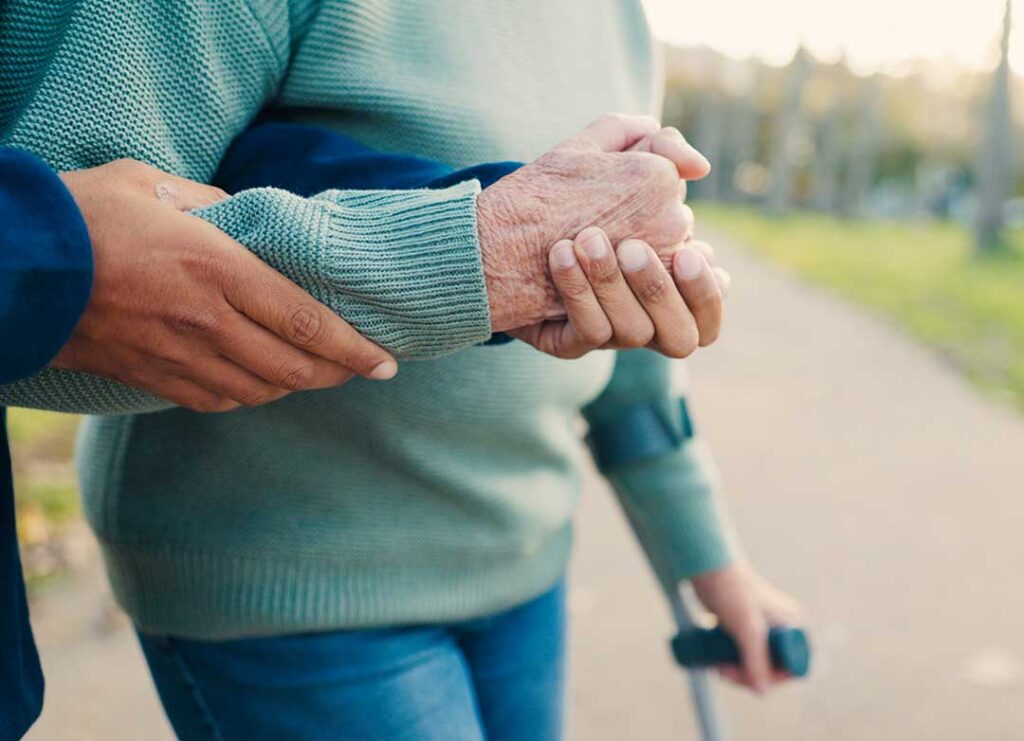
What Kinds of Changes Affect Seniors Most in Lebanon, PA?
Major life changes—such as moving to assisted living, losing a loved one, or changes in health—often impact seniors most profoundly. In Lebanon, PA, these transitions may also be shaped by common housing patterns, long winters, and family members who live nearby or out of state.
Change can feel overwhelming for older adults, especially when it involves leaving a familiar neighborhood or adapting to new routines. Family structure in the city often includes adult children working or raising families in other areas, which can make emotional and logistical support less immediate.
Some of the most common changes include:
- Downsizing or relocating within the region
- Health changes, such as managing new medications or mobility limits
- Shifts in family roles, like becoming the oldest generation or facing widowhood
- Loss of independence (e.g., giving up driving)
- Adjustments to daily routines, including meals and activity levels
Understanding which specific changes are causing the most stress is an important first step in helping seniors adapt in the local community.
How Do These Changes Affect Mental and Emotional Wellbeing?
Major transitions often bring feelings of grief, anxiety, and uncertainty. For many seniors, these emotions may be heightened by fears about losing independence or social connections, especially after leaving a longtime home or neighborhood in Lebanon.
These impacts can look like:
- Withdrawal from social activities and hobbies
- Poor sleep or changes in appetite
- Increased irritability or sadness
- Worry about the future, finances, or health
It’s common for these feelings to fluctuate through the seasons, with colder months contributing to increased isolation for some local seniors.
Misconception: Many people believe seniors are always “set in their ways” and resist all change. In reality, most older adults adapt over time, especially when they feel supported and heard.
What Can Family and Friends Do to Support Seniors Through Change?
Emotional and practical support from loved ones makes a real difference. Family members and friends can help seniors manage transitions more smoothly by recognizing stress, offering companionship, and providing gentle guidance rather than pushing decisions. In Lebanon, where neighbors often know one another, community support takes many forms.
Steps that support a positive adjustment include:
- Listen with patience: Let seniors share their concerns at their own pace without jumping in to “fix” everything.
- Share information: Help clarify what to expect during transitions, such as what daily life will look like after a move.
- Visit regularly: Even short check-ins or phone calls help reduce loneliness and worry.
- Encourage involvement: Suggest participation in local clubs, recreation centers, or faith groups when the senior is ready, but don’t force new activities.
- Help maintain familiar routines: Keeping certain daily habits—like morning coffee or a weekly card game—provides comfort and stability.
- Address practical needs: Offer help organizing paperwork, attending appointments, or setting up assistive devices.
Family can also help with local logistics, like navigating medical appointments during winter weather or exploring transportation options year-round.
What Can Seniors Do to Adapt More Comfortably?
Seniors moving through significant changes in Lebanon can use several self-care and coping techniques. While the community is known for its welcoming nature, personal strategies can further ease the transition.
Some helpful approaches include:
- Acknowledge emotions: It’s normal to feel sad, angry, or anxious. Allowing these feelings helps prevent them from becoming overwhelming.
- Stay socially connected: Even if mobility is limited, staying in touch with friends or past neighbors by phone or letter maintains relationships.
- Take small steps: Focus on one new thing at a time, whether it’s trying the meals in a new dining room or exploring the library.
- Engage in familiar activities: Bringing family photos, favorite books, or beloved hobbies into a new space can help create a sense of continuity.
- Seek new interests at local centers: Many facilities and community groups in the city offer senior-friendly events and educational sessions.
- Keep routines consistent: Try to stick with existing sleep, meal, and exercise schedules as much as possible.

Many seniors also benefit from setting gentle goals, like meeting one new person a week or learning a new craft.
How Does the Local Environment Shape Senior Transitions?
Lebanon’s climate, housing layout, and transportation options can all influence the changes seniors experience. For example, harsh winter conditions may make it harder to maintain physical activity or see family regularly. On the other hand, many neighborhoods have walking paths or parks that are pleasant during milder months.
Local patterns include:
- More time indoors during winter, leading to greater reliance on in-home activities
- Varied access to public transit and paratransit for appointments, which can affect feelings of autonomy
- Neighborhoods with mixed-age residents, offering both privacy and opportunities for intergenerational socializing
Understanding how seasons and infrastructure affect day-to-day life makes it easier to plan for transitions and set realistic expectations.
When Should Loved Ones Consider Outside Support?
Some changes—such as ongoing sadness, confusion, or significant withdrawal from daily life—may signal the need for additional support. In Lebanon, family or trusted friends are usually the first to notice these signs, especially if a senior’s routines or personality shift dramatically.
Outside support may include:
- Medical evaluation if memory, mood, or health seems to worsen
- Guidance from social workers or local public agencies familiar with senior services
- Community-based groups offering social connection or transportation for those unable to drive
Seeking extra help isn’t about giving up independence; it’s about ensuring safety and quality of life when transitions become especially difficult.
