
How Does Assisted Living Encourage an Active Lifestyle?
Assisted living in Lebanon, PA offers more than just support with daily needs. Many community members are surprised to learn how these settings consistently encourage staying active, fostering overall wellness in ways that often exceed what's feasible at home. Residents benefit from a combination of designed environments, structured activities, and social opportunities — all factors known to help increase engagement and well-being for older adults.
Assisted living facilities typically provide a foundation that naturally integrates movement, community interaction, and purposeful activity into everyday routines. This structure is especially helpful in a region like Lebanon, where seasonal changes, rural geography, and transportation options can make independent activity more challenging for seniors.
What Everyday Opportunities for Movement Are Provided?
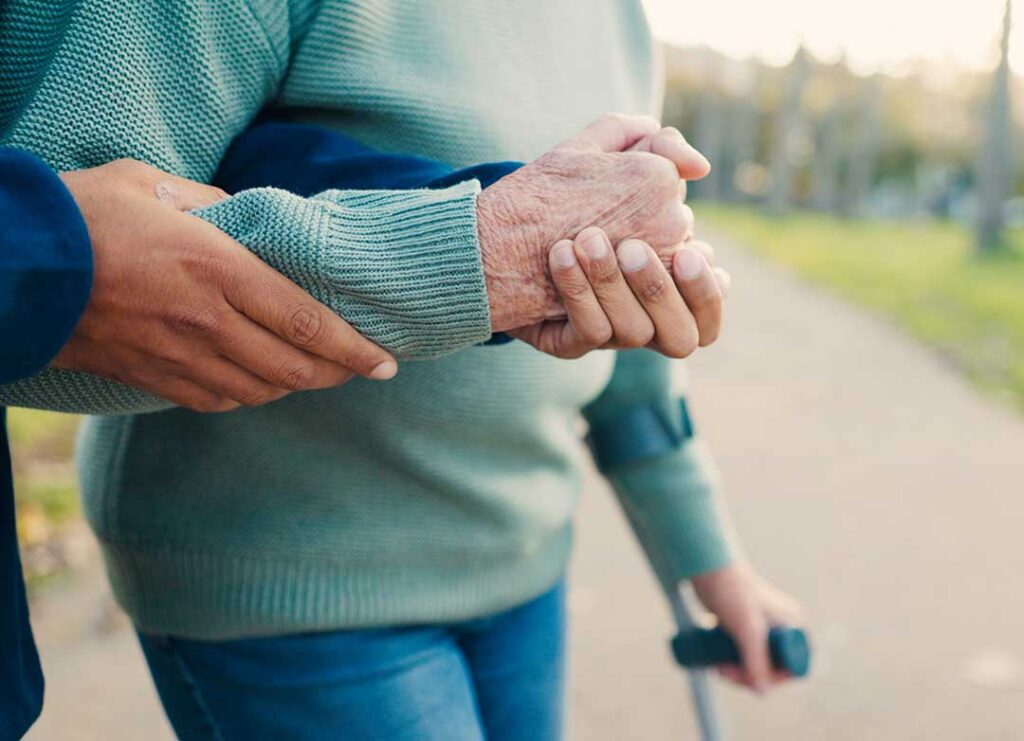
Day-to-day life in assisted living environments is intentionally organized to promote gentle, regular movement suited to varying mobility and fitness levels. Most locations have walking paths, accessible gardens, and spaces for simple group exercises. Even common tasks—such as heading to the dining room, going to on-site events, or tending community plants—require residents to stay physically engaged.
Local facilities also consider Lebanon’s climate. Indoor activity spaces are designed to avoid inactivity during winter or hotter summer months, addressing common barriers to exercise in the region.
Examples of movement-friendly practices include:
- Gently-paced walking groups, often held in safe, flat indoor corridors or garden paths
- Chair yoga or low-impact stretching for joint flexibility
- Everyday encouragement to participate in light housekeeping or personal room organization
How Are Interests and Abilities Taken Into Account?
Assisted living staff recognize that everyone has unique interests and physical needs. Activities are seldom one-size-fits-all. Residents are often invited to share hobbies or pastimes—everything from painting and gardening to music or light dancing. Many facilities collect feedback or adapt their offerings seasonally so that both independent and group options are available.
For those managing chronic health conditions or limited mobility, specialized programs such as balance classes or therapeutic recreation offer alternatives to traditional exercise. The key is providing choices so each person feels involved at a comfort level suited to their background and abilities.
Does Assisted Living Help with Social Engagement?
Loneliness is a challenge for many area households, and direct social interaction is one of the most important — but sometimes overlooked — aspects of an active lifestyle. In assisted living, residents naturally encounter peers through communal dining, group games, educational discussions, and creative projects. Simply sharing a meal, attending a movie night, or discussing a book with neighbors can be just as valuable for overall wellness as physical exercise.
Social activities are often planned with local culture in mind, such as celebrating seasonal festivals, participating in art or craft clubs, or enjoying musical performances relevant to community interests.
How Do Local Conditions Affect Activity Options?
Lebanon’s geography, climate, and infrastructure play a real role in shaping what’s practical for senior residents. During cold winters or periods of icy sidewalks, outdoor walks or trips outside may not be safe or appealing. Assisted living grounds typically feature secure, indoor spaces that allow safe movement and access to fresh air, even when the broader community faces weather-related barriers.
Additionally, the semi-rural nature of Lebanon means some area households struggle to access communal activities if living independently, especially if personal transportation is a limitation. Assisted living helps bridge this gap by bringing fitness and recreation to residents, rather than requiring them to go out.
Are There Programs for Mental and Creative Activity?

Cognitive engagement is as important as physical movement. Beyond fitness, many assisted living communities offer programs that encourage residents to stay mentally active and engaged. These might include:
- Guest speakers, lectures, or history discussions relevant to Lebanon and surrounding areas
- Memory games, puzzles, and group trivia sessions
- Craft projects, art therapy, or music appreciation groups
Creative activities support both fine motor skills and emotional wellness. Participation is encouraged regardless of previous skill levels, helping all residents find meaningful ways to stay engaged.
What About Access to Nature and the Outdoors?
Residents often ask if moving to assisted living will mean losing connection with outdoor environments — a common concern in Lebanon, where many have enjoyed gardening, birdwatching, or simply relaxing outside. Many assisted living campuses provide easily accessible gardens, patios, or secure outdoor spaces to support this connection.
Supervised outdoor activities, seasonal flower planting, or bird feeder projects allow for continued interaction with nature. Residents who cannot walk outside alone are often invited to join in small group outings, enjoying the benefits of sunshine and fresh air in a safe, supported way.
How Are Barriers to Activity Overcome?
Barriers like mobility challenges, vision changes, or long-standing habits of inactivity can discourage participation. Trained staff in assisted living communities gently motivate residents without pushing them beyond safe limits. Activity options are adapted, and assistive devices are accommodated, ensuring everyone can participate as fully as possible.
Some common misconceptions are that only highly mobile individuals benefit from assisted living programming, or that activities require significant exertion. In reality, even small, regular stretches or short walks have substantial benefits for both mind and body.
Is Participation Voluntary?
Residents maintain control over their involvement. No activity is mandatory. Privacy and autonomy are respected, with gentle encouragement provided based on individual desires and goals. Many find, over time, that having low-pressure options makes it easier to try new activities and form positive habits.
