
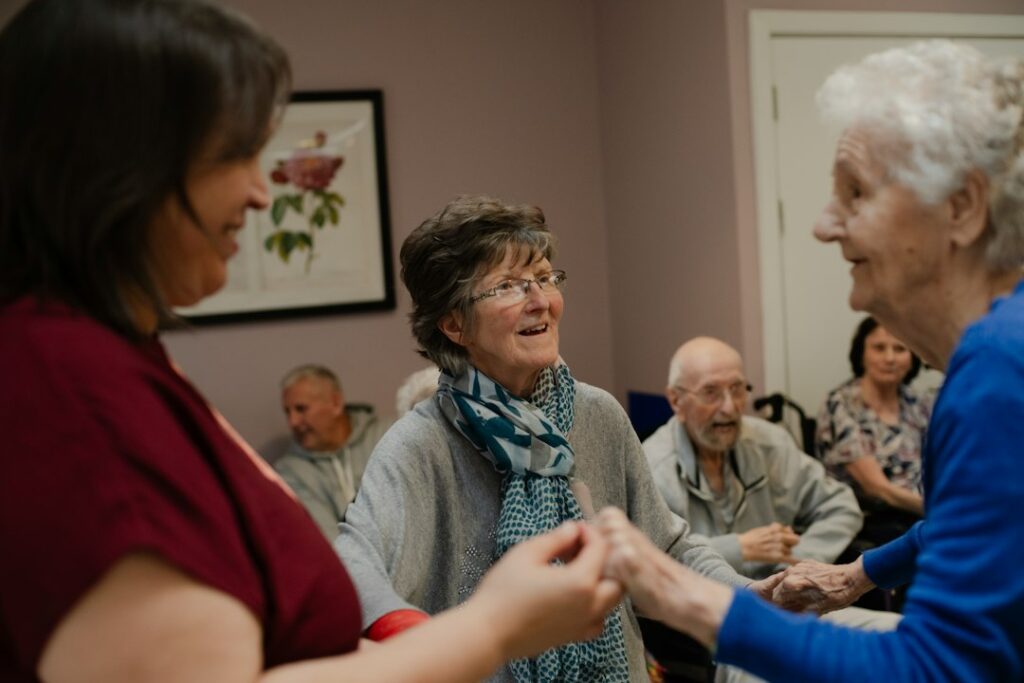
Assisted living should support more than a resident’s medical and physical needs. Cultural identity, religious practice, language, food traditions, family customs, clothing preferences, and end-of-life beliefs can all affect whether a person feels safe, respected, and understood.
For residents and families in Lebanon, PA, these accommodations are not special favors. They are part of person-centered care and should be discussed before move-in and revisited as needs change.
What do cultural and religious accommodations include?
Cultural and religious accommodations are reasonable adjustments that help a resident continue meaningful customs and beliefs while receiving care. They may involve daily routines, meals, worship, personal care, communication, family involvement, or medical decision-making.
Examples can include:
- Providing meals that follow religious dietary rules or cultural food practices
- Protecting time and space for prayer, meditation, or religious study
- Respecting preferences about bathing, dressing, grooming, and caregiver gender
- Helping a resident attend services or connect with a faith community
- Allowing religious clothing, head coverings, jewelry, or other observances when safe
- Supporting preferred languages or communication styles
- Including family members or spiritual advisers in care discussions when the resident wishes
- Following specific customs related to serious illness, death, or mourning
An accommodation does not mean that every request can be met exactly as requested. Safety, staffing, medical needs, building rules, and the rights of other residents may affect what is possible. However, concerns should be discussed openly rather than dismissed.
How should families discuss religious or cultural needs before move-in?
The best time to discuss these needs is during the initial assessment and before a move is finalized. Families should provide specific information instead of assuming staff will recognize a custom or belief automatically.
Useful questions include:
- What foods are avoided, required, or prepared in a particular way?
- Are there daily, weekly, or seasonal prayer practices?
- Does the resident prefer a caregiver of a particular gender for bathing or dressing?
- Are there religious holidays that affect meals, schedules, fasting, or activities?
- Does the resident need assistance using a prayer garment, head covering, religious text, or ritual item?
- Which family members, clergy, elders, or spiritual advisers should be involved?
- What medical treatments, procedures, or end-of-life practices may conflict with the resident’s beliefs?
- Does the resident communicate best in a language other than English?
Written information can be helpful, especially when a resident has memory loss or multiple caregivers. A short personal preferences document may include pronunciation of the resident’s name, important customs, foods, modesty concerns, worship preferences, and emergency contacts.
Can assisted living residents follow special dietary practices?
In many cases, yes. Dietary needs may be based on religion, culture, allergies, medical conditions, personal ethics, or long-standing habits. The request should be explained clearly because terms such as “religious diet” can mean different things to different people.
A resident may need:
- Foods prepared without pork, shellfish, alcohol, or certain animal products
- Vegetarian or vegan meals
- Halal or kosher food practices
- Separation of certain foods or utensils
- Specific fasting and meal-timing arrangements
- Familiar foods that support appetite and comfort
- Assistance with religious fasting when health conditions make fasting risky
Medical safety comes first. A resident who uses insulin, takes medications with food, has diabetes, or is at risk for dehydration may need a modified fasting plan. The resident, family, care team, and medical decision-makers should discuss the safest approach rather than treating fasting as an all-or-nothing issue.
Families should also ask how special meals are labeled, stored, reheated, and served. A dietary promise is only useful if the process is reliable across weekends, holidays, staff changes, and emergency situations.
What privacy and worship arrangements may be available?
Residents may wish to pray privately, observe religious rituals, read sacred texts, listen to services, or speak with a spiritual adviser. These activities can often be included in a daily routine when staff understand what is needed.
A resident may ask about:
- A quiet room or private area
- A schedule that protects worship time
- Assistance with hand washing or other preparation
- Safe placement of religious objects
- Access to livestreamed or recorded services
- Transportation or family assistance for in-person services
- Visits from clergy, chaplains, or other spiritual advisers
Shared living environments require consideration for roommates and neighbors. Loud music, smoke, candles, incense, or open flames may create safety or respiratory concerns. Alternatives such as battery-operated candles, headphones, or a designated area may preserve the practice without creating a hazard.
How should staff handle personal care and modesty preferences?
Bathing, dressing, toileting, and grooming can feel especially sensitive. Cultural or religious beliefs may influence whether a resident is comfortable with exposed skin, opposite-gender caregivers, particular clothing, or assistance during intimate care.

Families should explain preferences in practical terms. For example, a resident may prefer:
- A same-gender caregiver when staffing permits
- A robe or covering during transfers
- A private space for changing clothes
- A specific style of head covering
- Assistance with hair, beard, or religious grooming practices
- Notice before entering the room or beginning personal care
A facility may not always be able to guarantee a particular caregiver at every moment, especially during emergencies or overnight hours. Even so, staff should respond respectfully, explain limitations, and identify workable alternatives.
What if a resident has dementia or cannot clearly express preferences?
A diagnosis of dementia does not erase a person’s cultural or religious identity. In fact, familiar songs, foods, prayers, clothing, holidays, and routines may provide comfort and help reduce distress.
Families can help by sharing:
- Words or phrases the resident uses in another language
- Religious traditions remembered from childhood
- Foods that are comforting or unacceptable
- Signs that the resident is participating willingly or becoming distressed
- Important holidays, rituals, or family roles
- Preferred ways to approach personal care
Staff should avoid assuming that a behavior is simply a symptom of dementia. Refusing a meal, resisting bathing, or becoming upset during an activity may reflect discomfort with the food, setting, caregiver, timing, or method of care.
The resident’s current wishes remain central. Family history can provide guidance, but relatives should not impose practices the resident no longer wants.
What legal and ethical protections apply?
Residents generally retain the right to dignity, privacy, personal choice, and participation in care planning. Religious freedom also includes the ability to practice a faith, change beliefs, decline religious activities, or choose not to participate.
A facility should not pressure a resident to join worship, accept religious materials, or follow customs that are not personally meaningful. The same principle applies to residents who are nonreligious, spiritual but unaffiliated, or uncertain about their beliefs.
Concerns about discrimination, unequal treatment, or repeated refusal to honor documented preferences should be recorded carefully. Begin by asking for a care-plan meeting and requesting that the concern and proposed solution be documented. If the problem involves safety, neglect, discrimination, or a resident’s rights, outside guidance may be appropriate.
Which local factors may affect planning?
Seasonal conditions in the Lebanon community can influence cultural and religious accommodations. Winter weather may make travel to worship services difficult, while summer heat can affect fasting, hydration, outdoor gatherings, and ceremonial clothing. Snow, ice, or transportation limitations may also require backup plans for visits from family or spiritual advisers.
Families may want to ask how the residence handles:
- Holiday meals and decorations
- Weather-related cancellations
- Transportation for worship or family events
- Indoor space for gatherings
- Dietary substitutions when deliveries are delayed
- Emergency staffing and temporary changes to routines
The goal is not to create an entirely separate care system for every resident. It is to understand what gives each person comfort, meaning, and dignity, then build those priorities into ordinary daily care.
